How to Look After Your Alloy Wheels and Avoid Tyre Damage
Alloys look great — but they need careful handling during tyre changes and regular maintenance to prevent tyre bead damage.
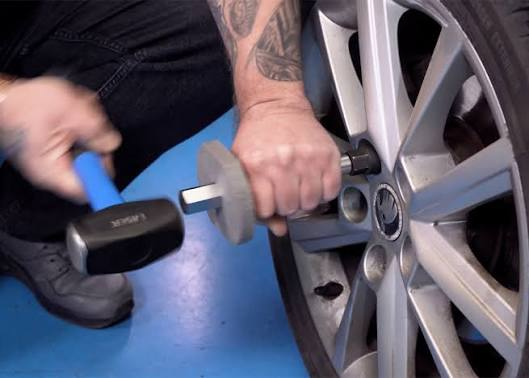
Alloy wheels are fitted to most modern cars and look great — but they are also easy to damage and expensive to repair or replace. More importantly, damaged or corroded alloys are one of the most common causes of persistent slow leaks that drivers struggle to fix.
This guide explains how to look after your alloy wheels, why tyre fitting needs special care on alloys, and how to prevent the bead-seating leaks that cause tyres to keep going flat. For scratch-free fitting at your location, see our alloy wheel tyre fitting page or call 01279 881234.
Why Alloys Need Special Care
Alloy wheels are made from aluminium, which is softer and more easily scratched than steel. The polished or painted finish is vulnerable to gouges from metal tyre-fitting tools, and the bead seat (where the tyre seals against the wheel) is vulnerable to corrosion that causes slow leaks.
A tyre fitter using old-fashioned metal levers on a modern alloy can leave permanent gouges in the visible face of the wheel — damage that costs £50–£100 per wheel to refurbish. Worse, careless fitting can damage the bead seat or the TPMS sensor inside the wheel.
Tyre Fitting on Alloys
Not all tyre fitters take the same care with alloys. The difference is in the equipment and the technique:
Plastic-Lined Tools
Our mobile units use plastic-lined lever tools and rim clamps designed specifically for alloy wheels. The plastic faces contact the wheel, not metal, so the finish is protected. We also use leverless machines where possible, which lift the tyre over the rim without any lever pressure on the alloy.
Low-Profile Tyre Specialists
Low-profile tyres (45 aspect ratio and below) are tighter on the rim and harder to fit without damage. They need specialist equipment and technique to avoid stressing the bead or scratching the rim. See our alloy wheel tyre fitting service.
TPMS Awareness
TPMS sensors are mounted inside the wheel, attached to the valve. A careless fitter can break a sensor when breaking the bead or levering the tyre off. We always check for TPMS sensors before fitting and use the correct technique to avoid damage. See our TPMS sensor replacement page.
Kerbing Damage
Kerbing is the most common cause of alloy damage. Even a light kerb contact can:
- Scuff or scratch the painted finish
- Gouge the rim edge
- Damage the tyre bead seat — the area where the tyre seals against the wheel
A damaged bead seat causes persistent slow leaks that are difficult to fix because the tyre no longer seals perfectly. If your tyre keeps going flat after inflation but no puncture is found, a kerbed bead seat may be the cause.
Corrosion and Slow Leaks
Older alloys develop surface corrosion where the tyre bead sits, particularly on cars that are a few years old. This corrosion creates micro-gaps between the tyre and the wheel, and air leaks out slowly — typically a few psi a week.
Symptoms of bead corrosion:
- A tyre that loses pressure steadily with no puncture
- The TPMS light coming on every few weeks
- A tyre that needs topping up more often than the others
The fix is to break the tyre down, clean the corrosion off the bead seat on the wheel and reseat the tyre — a job we can do at your location. This is far cheaper than a new tyre or a new wheel.
Cleaning and Maintenance
Regular cleaning prevents corrosion and keeps alloys looking good:
- Wash wheels with a non-acidic wheel cleaner (acidic cleaners etch the lacquer)
- Use a soft brush, not a stiff one that scratches the finish
- Clean the inside of the wheel as well as the face — brake dust builds up there and traps moisture
- Apply a wheel wax or sealant twice a year to protect the finish
- Avoid kerbs — take care parking and on tight driveways
When to Be Concerned
Have your wheels and tyres checked if you notice any of these:
- Persistent slow leaks after inflation
- Visible cracking around the rim
- A TPMS warning light after new tyres are fitted
- Vibration at motorway speed after a tyre change (possible balance or bead issue)
- A visible wobble or buckle in the rim after an impact
Get Your Alloys and Tyres Looked After
We use plastic-lined, scratch-free equipment and treat every alloy with care. Whether you need new tyres, a puncture repair, a bead clean for a slow leak, or a TPMS sensor replaced, we come to you. Call us on 01279 881234 — see our all locations page for coverage across Essex, Hertfordshire and Cambridgeshire.
Need a mobile tyre service?
We cover Harlow, Bishop's Stortford, Cambridge and all surrounding areas — 24/7.
Call: 01279 881234